Bamboo Flooring A Stylish, Sustainable, and Smart Choice for Modern Spaces
When it comes to choosing a flooring solution that balances beauty, durability, and sustainability, Bamboo Flooring stands out as an increasingly popular option. Once considered a niche material, bamboo has now entered the mainstream, earning admiration from homeowners, designers, and architects alike. Its unique blend of eco-friendliness and modern appeal makes it a strong contender for residential and commercial environments. In this article, we’ll explore what makes bamboo flooring special, its key advantages, common applications, maintenance tips, and why it might be the perfect fit for your space.
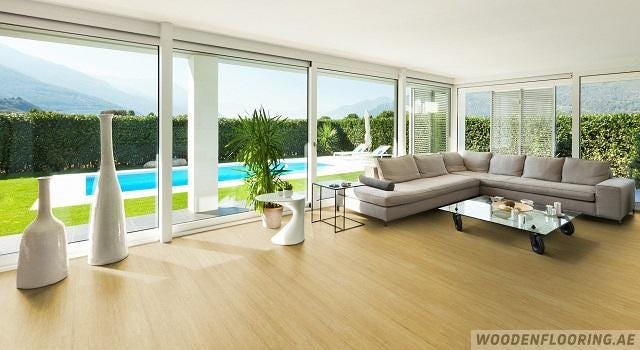
What Is Bamboo Flooring?
Although bamboo looks similar to hardwood, it is technically a type of grass that matures much faster than traditional trees. This rapid growth cycle makes bamboo a renewable resource, appealing to those who prioritize environmentally responsible design. Bamboo flooring is manufactured by processing bamboo stalks into planks, resulting in a sleek and contemporary finish that rivals conventional wood flooring.
Key Advantages of Bamboo Flooring
One of the biggest advantages of bamboo flooring is its sustainability. Bamboo can regenerate within three to five years, significantly reducing environmental impact compared to hardwood forests that take decades to replenish. Beyond sustainability, bamboo flooring offers impressive durability. Strand-woven bamboo, in particular, is known for its hardness and resistance to wear, making it suitable for high-traffic areas.
Aesthetically, bamboo flooring offers versatility. It is available in various shades, from light natural tones to rich caramel hues, allowing it to complement both minimalist and luxurious interiors. Bamboo also performs well in different climates, maintaining stability when properly installed and treated. Compared to options like Terrazzo Flooring, bamboo provides a warmer and more natural look underfoot.
Common Applications of Bamboo Flooring
Bamboo flooring works beautifully in a wide range of settings. In residential spaces, it is often used in living rooms, bedrooms, hallways, and home offices. Its clean lines and natural texture create a calming atmosphere, ideal for modern homes. With proper moisture-resistant finishes, bamboo can also be used in kitchens, although bathrooms are generally not recommended unless specifically engineered bamboo is used.
In commercial environments, bamboo flooring is gaining popularity in offices, retail stores, cafés, and boutique hotels. It offers a refined appearance while being durable enough to handle daily foot traffic. In design projects where industrial solutions like Epoxy Flooring or Resin Flooring may feel too cold or utilitarian, bamboo provides a softer and more welcoming alternative.
Maintenance Tips for Long-Lasting Beauty
Maintaining bamboo flooring is relatively straightforward, which adds to its appeal. Regular sweeping or vacuuming helps remove dust and debris that could scratch the surface. For deeper cleaning, a damp (not wet) mop with a manufacturer-approved cleaner is recommended. Excess moisture is bamboo’s biggest enemy, so spills should be wiped up immediately to prevent damage.
To preserve its finish, consider using protective pads under furniture and avoid dragging heavy items across the floor. Periodic refinishing may be possible depending on the type of bamboo flooring you choose. With proper care, bamboo floors can retain their beauty for many years, making them a practical long-term investment.
Why Bamboo Flooring Is a Great Choice for Various Environments
Bamboo flooring’s adaptability is one of its strongest qualities. It fits seamlessly into residential, commercial, and even hospitality spaces where aesthetics and performance matter equally. Its natural insulation properties help maintain indoor comfort, while its sleek appearance enhances visual appeal. In regions with a strong focus on innovative interior solutions, such as Flooring Dubai, bamboo flooring is increasingly viewed as a premium yet responsible choice.
Additionally, bamboo flooring pairs well with a wide range of design styles — from Scandinavian simplicity to contemporary luxury. Whether you’re designing a cozy home, a stylish office, or a customer-facing retail space, bamboo flooring offers a balance of sustainability, durability, and timeless elegance.
Final Thoughts
Bamboo flooring is more than just a trend; it’s a forward-thinking solution for modern interiors. With its eco-friendly origins, versatile applications, and easy maintenance, it presents a compelling alternative to traditional and industrial flooring options. If you’re seeking a flooring material that reflects both style and responsibility, bamboo flooring could be exactly what your space needs.


Comments
Post a Comment